
The Role of Angioplasty in Preventing Heart Attacks
An Angioplasty Specialist in Pune can help patients understand their coronary artery health and determine whether angioplasty may be appropriate based on symptoms, diagnostic tests, and the severity of blockages. When blood flow to the heart is reduced because of narrowed or blocked arteries, timely medical evaluation becomes especially important.
Heart disease can sometimes progress without obvious warning signs. In certain situations, a blocked coronary artery can lead to a heart attack and damage the heart muscle. Angioplasty is an important procedure that can restore blood flow through selected narrowed or blocked arteries and may be performed urgently during certain heart attacks.
At Narindra Heart Clinic, patients receive comprehensive cardiac evaluation and personalized guidance based on their individual heart health needs.
What Is Angioplasty?
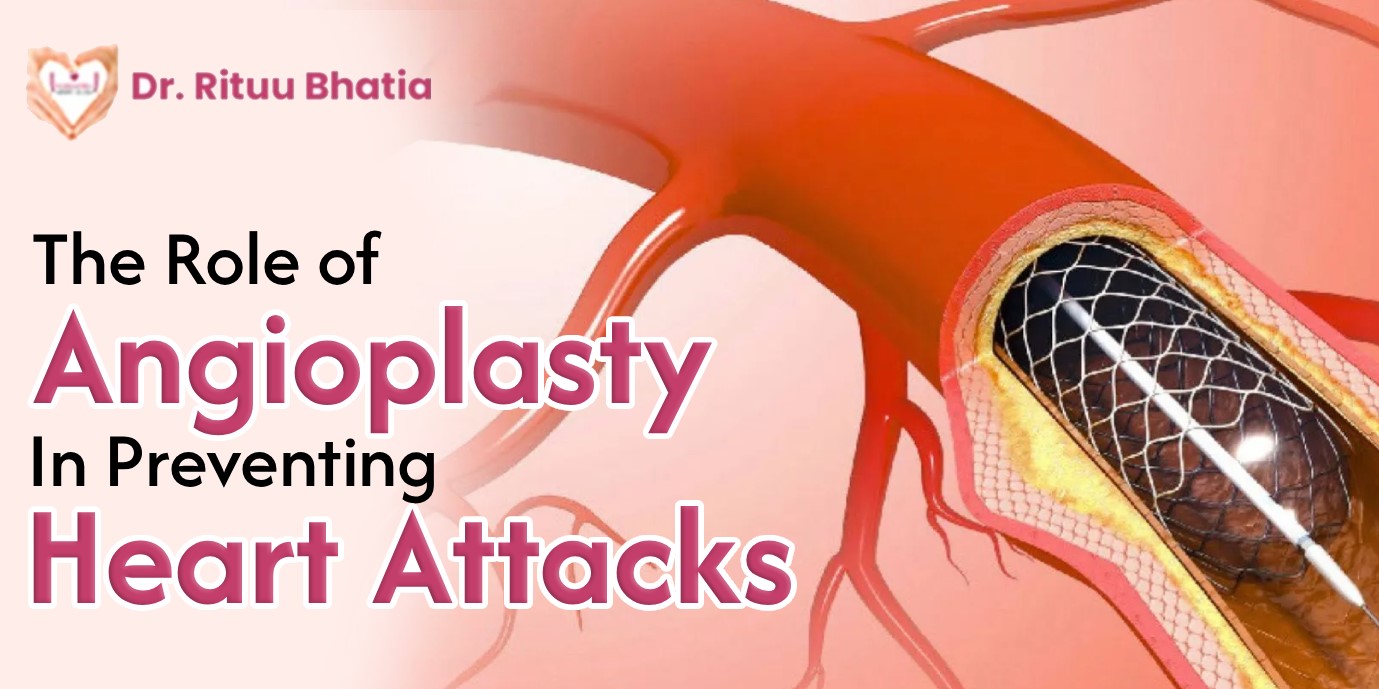
Angioplasty, also called percutaneous coronary intervention (PCI), is a minimally invasive procedure used to open a narrowed or blocked coronary artery.
During the procedure, a thin catheter is guided through a blood vessel toward the affected artery. A small balloon may then be inflated to widen the narrowed section. In many cases, a stent is placed to help keep the artery open and maintain blood flow.
The exact procedure depends on the location, severity, and nature of the blockage.
How Can Angioplasty Help Prevent Heart Attacks?
When a coronary artery becomes significantly narrowed, the heart muscle may not receive enough oxygen-rich blood. If blood flow becomes severely restricted or completely blocked, a heart attack can occur.
For appropriate patients, angioplasty can restore blood flow and may:
- Improve circulation to the heart
- Relieve certain types of chest discomfort
- Restore blood supply during specific heart attacks
- Reduce the impact of certain coronary blockages
- Improve quality of life
However, angioplasty is not required for every person with coronary artery disease. A cardiologist carefully evaluates the patient's condition before recommending treatment.
When Is Angioplasty Recommended?
The decision depends on the severity and location of the blockage, symptoms, test results, and overall health.
Common Situations Include- Significant coronary artery narrowing
- Persistent symptoms despite medication
- Reduced blood flow identified through testing
- Certain acute heart attacks
- High-risk coronary artery blockages
In certain emergency situations, angioplasty may be performed quickly to restore blood flow and reduce damage to the heart muscle.
What Happens During Angioplasty?
The procedure is performed in a specialized cardiac catheterization laboratory.
Step-by-Step Process-
1. A catheter is inserted through a blood vessel, commonly in the wrist or groin.
2. It is carefully guided toward the affected coronary artery.
3. Contrast dye and imaging help locate the blockage.
4. A small balloon may be inflated to widen the artery.
5. A stent may be placed when appropriate.
6. Blood flow is checked before completing the procedure.
The duration varies depending on the complexity of the blockage and the number of arteries being treated.
What Is Stent Placement?
A stent is a small mesh tube that helps support an artery after it has been widened. It may be placed during angioplasty when considered appropriate by the treating cardiologist.
Following the procedure, patients may need prescribed medicines and regular follow-up appointments. Taking medication exactly as advised is important for maintaining the benefits of treatment.
Recovery After Angioplasty
Recovery varies from person to person. Your doctor may recommend:
- Taking prescribed medications regularly
- Following a heart-healthy diet
- Gradually returning to physical activity
- Maintaining a healthy weight
- Controlling blood pressure and cholesterol
- Managing diabetes
- Avoiding smoking
These lifestyle measures remain important even after successful treatment.
Why Choose Narindra Heart Clinic?
At Narindra Heart Clinic, we understand that every patient's heart condition is different. Our approach focuses on detailed evaluation, personalized treatment planning, preventive care, and ongoing monitoring.
Our Approach- Comprehensive cardiac evaluation
- Advanced diagnostic assessment
- Personalized treatment plans
- Preventive heart care
- Post-procedure monitoring
- Patient-focused guidance
Our goal is to help patients understand their heart condition and make informed decisions about their treatment.
Conclusion
Angioplasty can play an important role in restoring blood flow through selected narrowed or blocked coronary arteries. In certain heart attack situations, timely intervention can help restore circulation and limit damage to the heart muscle.
If you experience warning signs such as persistent chest pressure, unusual breathlessness, cold sweating, fainting, or sudden weakness, seek emergency medical attention immediately. For ongoing cardiac concerns, consult a qualified heart specialist for proper evaluation.
When recommended by a cardiologist, Stent Surgery in pune can be an effective treatment option for certain coronary artery blockages. However, long-term heart health also depends on taking prescribed medicines, attending regular checkups, eating a balanced diet, staying active, and managing cardiovascular risk factors.
Frequently Asked Questions (FAQs)
No. Angioplasty is generally a minimally invasive catheter-based procedure and does not involve opening the chest like traditional open-heart surgery.
No. It may also be planned for patients with significant coronary artery narrowing when symptoms or test results indicate that intervention may be beneficial.
Recovery depends on the patient's overall health, the complexity of the procedure, and whether treatment was planned or performed during an emergency.
Yes. Maintaining a healthy diet, staying physically active as advised, avoiding tobacco, controlling blood pressure and cholesterol, and taking prescribed medicines can support long-term heart health.
Severe or persistent chest pressure, difficulty breathing, cold sweating, fainting, or sudden weakness can indicate a medical emergency and require immediate medical evaluation.