
What Is a Holter Monitor Test and Why Do You Need It?
Heart symptoms do not always happen while you are sitting in a clinic. You may feel a fast heartbeat, dizziness, chest discomfort, or an unusual flutter during your normal routine. In such cases, a regular ECG may not capture what is happening. A Holter monitor can help record your heart’s electrical activity over a longer period, giving your doctor a clearer picture of your heart rhythm.
At Narindra Heart Clinic, Holter monitoring can be part of a detailed cardiac evaluation when symptoms need to be observed beyond a standard ECG.
What Is a Holter Monitor Test?
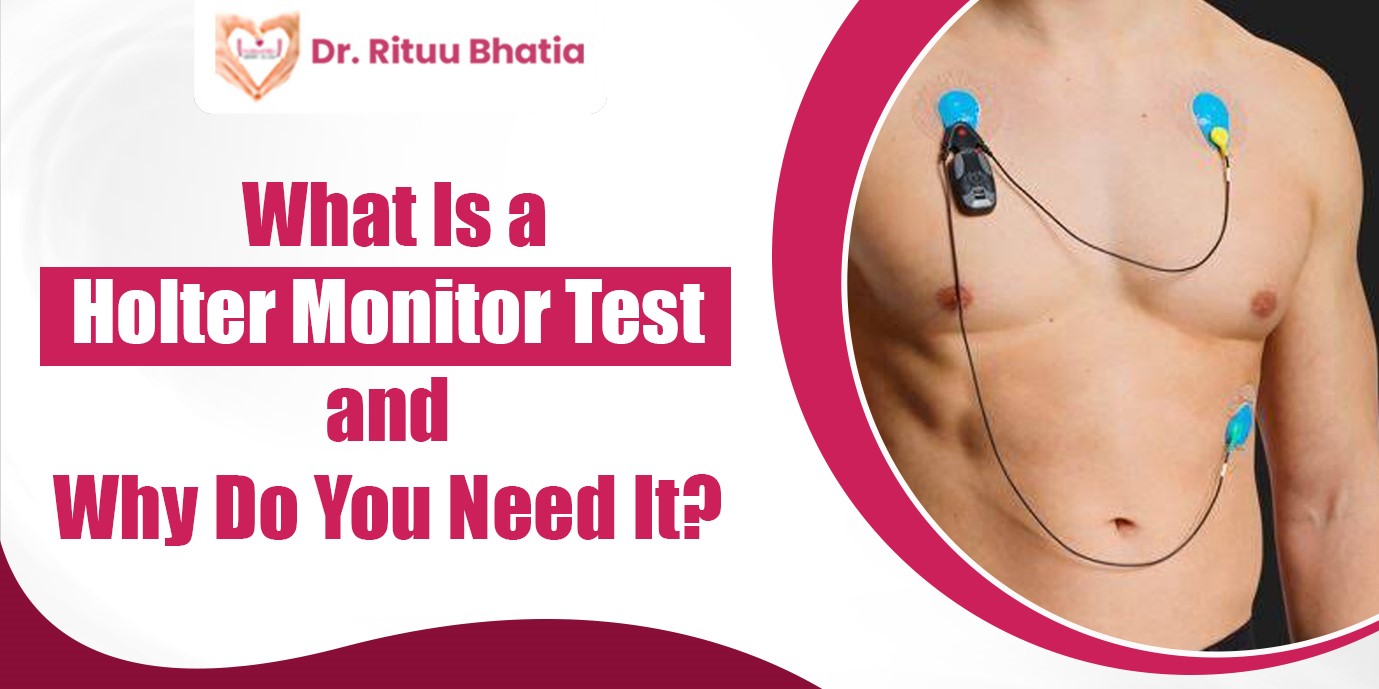
A Holter monitor is a small, portable device that continuously records the heart's electrical activity, usually while you go about your regular day. Small electrodes are placed on the chest and connected to the monitor.
Unlike a standard ECG that records heart activity for a short time, Holter monitoring provides information over an extended period. This can help doctors identify rhythm changes that may come and go.
If you are looking for a Holter Monitor Test in pune, a cardiologist can determine whether this type of monitoring is appropriate based on your symptoms and medical history.
Why Might You Need Holter Monitoring?
- To Detect Irregular Heart Rhythms: Some abnormal heart rhythms occur only occasionally. A longer recording period can make it easier to identify these changes and understand when they occur.
- To Investigate Unexplained Symptoms: If you experience occasional palpitations, dizziness, fainting, or a sensation of your heart beating unusually fast or slowly, your doctor may recommend Holter monitoring to investigate a possible connection with your heart rhythm.
- To Evaluate Treatment: In some cases, Holter monitoring may be used to check how the heart responds to treatment or medication. Your cardiologist can compare the recorded rhythm with your symptoms and determine whether further evaluation is needed.
What Happens During a Holter Monitor Test?
- Getting the Monitor: A healthcare professional attaches small electrodes to your chest and connects them to the portable recording device. The setup is generally straightforward and does not require a hospital stay.
- Going About Your Day: You can usually continue your normal daily activities while wearing the monitor, although you will receive specific instructions about bathing, exercise, and activities that could affect the device.
- Recording Your Symptoms: You may be asked to keep a simple diary of symptoms and activities. Recording when you experience palpitations, dizziness, or other symptoms can help your doctor compare them with the heart rhythm recorded at that time.
How Can the Results Help?
The recorded information can help a cardiologist understand your heart rhythm over a longer period. Depending on the findings, your doctor may recommend lifestyle changes, additional cardiac tests, treatment, or continued monitoring.
Choosing the right cardiac specialist is important when symptoms are recurring or difficult to explain. Consulting the best cardiologist in pune can help ensure that your symptoms are assessed carefully and that the next steps are based on your individual condition.
Why Choose Narindra Heart Clinic?
A detailed cardiac evaluation involves more than looking at a single test result. At Narindra Heart Clinic, patients can discuss their symptoms and receive guidance on appropriate cardiac investigations and follow-up care.
If your doctor recommends a Holter Monitor Test in pune, following the preparation and monitoring instructions carefully can help ensure that the recording provides useful information.
Frequently Asked Questions (FAQs)
No. The test is generally painless. You may experience minor skin irritation or discomfort where the electrodes are attached.
In most cases, you can continue regular activities, but you should follow the specific instructions given by your healthcare provider.
No. It mainly records electrical activity and heart rhythm during the monitoring period. Your doctor will decide whether additional tests are required.
The monitoring duration depends on your symptoms and the type of monitor prescribed. Your cardiologist will provide specific instructions.
If you experience recurring palpitations, dizziness, fainting, chest discomfort, or other concerning symptoms, speak with a healthcare professional. A best cardiologist in pune can assess your symptoms and recommend appropriate testing when needed.